You've just been handed a potential enterprise deal worth seven figures. The excitement is palpable—until reality sets in. You're faced with a labyrinthine org chart, a dozen stakeholders with competing priorities, and a sales cycle that could stretch well beyond a year. Where do you even begin? How do you navigate this complexity without dropping the ball?
As one seasoned enterprise rep puts it: "Everything is detail to the 10x degree." The stakes couldn't be higher. If this deal falls out, it really hurts you—and your company's bottom line.
Enter the Miller Heiman Blue Sheet: the strategic compass that has guided top enterprise sales professionals through the most complex deals for over four decades.
Enterprise sales isn't just "regular sales with bigger numbers." It's fundamentally different:
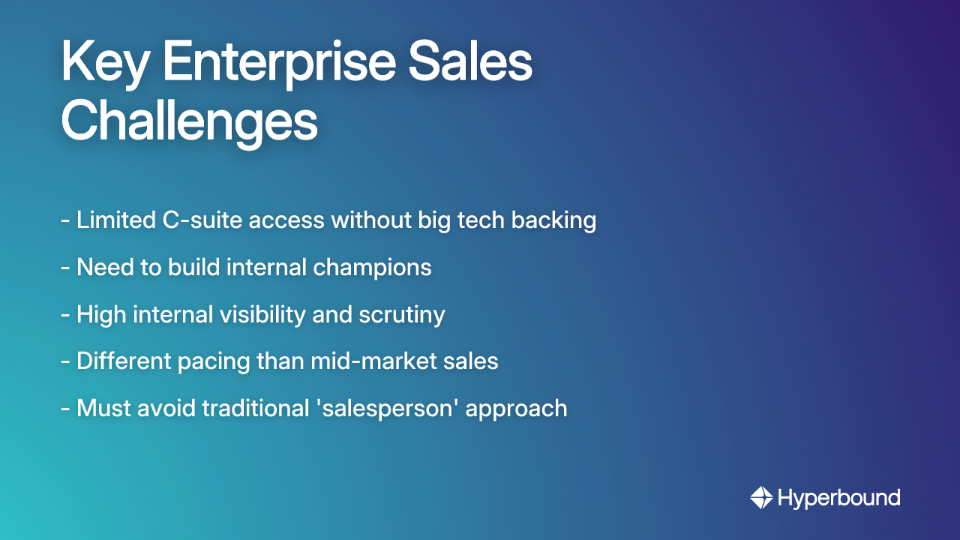
As one enterprise sales professional shared on Reddit: "It's incredibly rewarding but also long and frustrating in many different ways." This sentiment echoes across the industry, where building relationships from scratch is described as "the most daunting task."
Introduced in 1978, the Miller Heiman sales methodology provides a comprehensive framework specifically designed for navigating complex B2B sales environments. It's not about manipulative tactics; it's a structured approach to genuinely understanding buyer needs, motivations, and decision-making processes.
The methodology consists of two main components:
When implemented correctly, this methodology transforms chaotic enterprise deals into manageable, strategic campaigns.

The Miller Heiman Blue Sheet (named for its original blue paper) is a strategic planning tool that captures all critical aspects of your sales strategy for a specific opportunity. It forces you to shift from reactive selling to proactive, strategic account management.
At its core, the Blue Sheet helps sales teams answer five crucial questions:
The first critical component of any Blue Sheet is comprehensive stakeholder mapping. This goes beyond creating an org chart—it's about understanding power dynamics, influence paths, and building champions within the organization.
Miller Heiman identifies four key buying roles you must map:
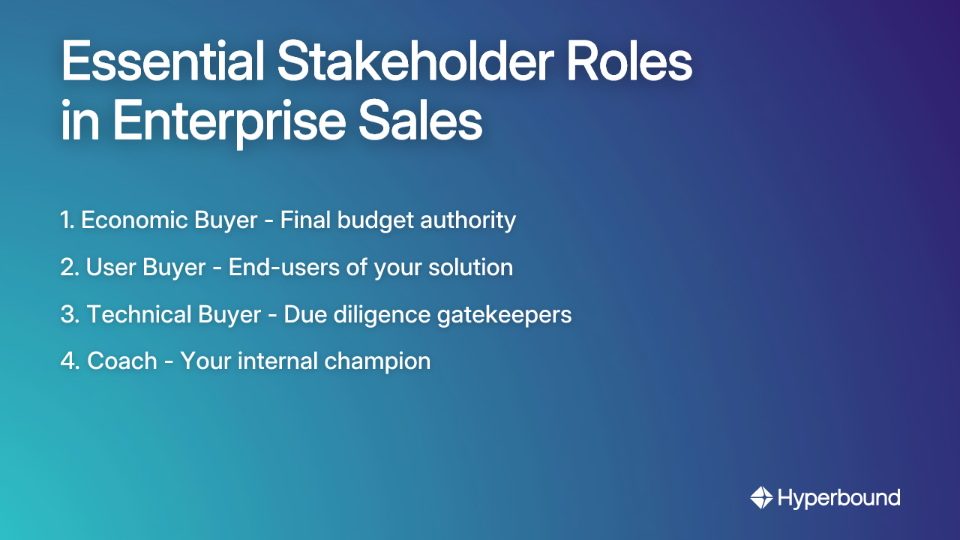
This is the person with final budget authority. They can say "yes" when everyone else says "no" and vice versa. Their focus is on business value and financial impact.
Many salespeople make the mistake of neglecting the Economic Buyer because they seem inaccessible. As one rep notes, "You have zero chance of speaking to the CEO, CIO or CISO unless you're Microsoft, Google, Amazon." The solution isn't giving up—it's finding alternative paths through other stakeholders.
These are the end-users of your product or service. Their focus is on usability, daily impact, and productivity improvements. Their buy-in is critical for successful implementation and adoption.
These gatekeepers conduct due diligence from IT, legal, finance, or procurement departments. While they can't approve the purchase, they can definitely say "no" if your solution doesn't meet their criteria for security, compliance, or integration.
This is your internal champion—the person who provides valuable insights, helps you navigate internal politics, and wants you to win. Finding and nurturing this relationship is essential for building champions in the organization.
"The PM (project manager) is going to be your lifeline," advises one enterprise sales veteran. "They will want to be your SPOC (single point of contact)." These individuals often become your most valuable coaches.
People don't make decisions in a vacuum. The Blue Sheet helps you identify each stakeholder's "Buying Mode"—their attitude toward change:
Your approach must align with each stakeholder's buying mode to be effective. For example, disrupting the thinking of someone in "Even Keel" mode requires different tactics than satisfying the urgent needs of someone in "Trouble Mode."
Perhaps the most powerful element of the Blue Sheet is the "Win-Result" concept. A Win-Result is the specific, tangible benefit each stakeholder gains from your solution—the answer to "What's in it for me?" from their unique perspective.
This goes beyond generic benefits:
By defining personalized Win-Results for each key stakeholder, you ensure everyone sees value in your solution. This is how you build consensus and prevent deals from stalling because one influential person doesn't see the point.
The Blue Sheet forces you to honestly assess potential obstacles and your competitive positioning:
Red Flags might include:
Strengths could include:
By proactively identifying these factors, you can address risks before they derail your deal and leverage your unique advantages to strengthen your position.
The final section of the Blue Sheet transforms analysis into action. It details:
Despite its power, many organizations fail to realize the full potential of Blue Sheets. Here's why—and how to avoid these traps:
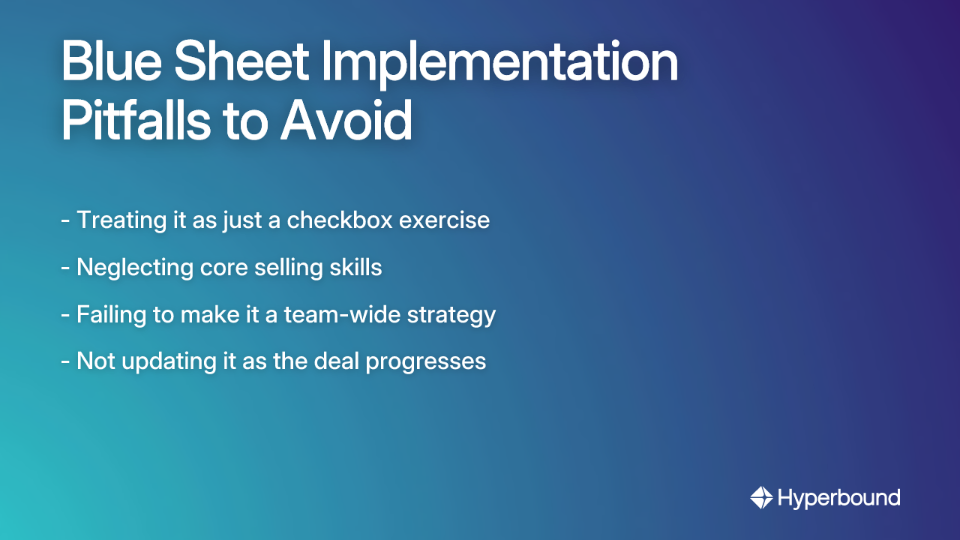
The Mistake: Treating the Blue Sheet as an administrative task to satisfy management's need for internal visibility.
The Fix: Make it a living strategy document that evolves with each customer interaction. As one practitioner notes, "A well-executed simple plan often outperforms a complex plan that is poorly executed."
The Mistake: Believing the strategy template can replace fundamental selling abilities.
The Fix: Remember that the Blue Sheet is a map, but you still need to know how to drive. Invest in developing core skills like effective questioning, demonstrating business value, and building cross-functional relationships. This is where practice becomes essential. Platforms like Hyperbound allow reps to master these complex conversations through hyper-realistic AI roleplays, ensuring they can execute the strategy effectively when face-to-face with a buyer.
Enterprise sales will always involve complexity—"detail to the 10x degree," as one professional put it. The long sales cycles, stakeholder consensus requirements, and intense scrutiny won't disappear.
But with the Miller Heiman Blue Sheet as your strategic guide, you transform that complexity into clarity. You'll identify champions, understand stakeholder motivations, mitigate risks proactively, and execute a cohesive plan that drives deals forward.
In the high-stakes world of enterprise sales, where "if a deal falls out, it really hurts you," the Blue Sheet isn't just helpful—it's essential. Make it your enterprise sales strategy bible, and watch as the most complex deals become your most rewarding victories.

A Miller Heiman Blue Sheet is a strategic planning tool used in complex B2B sales to map out key stakeholders, assess competitive positioning, and create a winning action plan. It provides a structured framework to navigate large, high-stakes deals by forcing sales teams to think proactively about every aspect of an opportunity, from buyer motivations to potential red flags.
The Miller Heiman methodology is effective for enterprise sales because it provides a structured approach to managing the inherent complexity of these deals. Enterprise sales involve long cycles, multiple decision-makers with competing priorities, and high internal scrutiny. The Blue Sheet framework helps sales teams identify all key players (Economic, User, Technical Buyers, and Coaches), understand their unique motivations, and build a unified strategy to gain consensus and mitigate risks.
The four key buyer roles identified by Miller Heiman are the Economic Buyer, User Buyer, Technical Buyer, and Coach.
A "Win-Result" is the specific, measurable, and personal benefit a stakeholder gains from your solution, answering their question, "What's in it for me?". It goes beyond a generic feature or benefit. For example, instead of saying a feature "provides analytics," a Win-Result for a manager would be, "This dashboard saves me 5 hours of manual reporting weekly, allowing me to focus on strategic projects my boss values."
The most common mistake is treating the Blue Sheet as a "checkbox" administrative task rather than a living strategic document. Other pitfalls include neglecting core selling skills and assuming the template is a substitute for them, failing to make it a collaborative team-wide tool, and not updating it regularly as the deal progresses and new information becomes available.
Finding a Coach involves identifying an individual within the organization who has a vested interest in your success and is willing to provide inside information. Look for individuals who are directly impacted by the problem you solve, such as a project manager (PM) or a frustrated end-user. Build trust by acting as a valuable consultant, listening to their challenges, and providing genuine insights. Often, the person who becomes your coach is the one you build the strongest initial rapport with.
Yes, the Miller Heiman Blue Sheet is still highly relevant today, especially for complex, high-value enterprise sales. While sales tools and technologies have evolved, the fundamental challenges of navigating complex organizations, understanding buyer motivations, and building consensus remain the same. The Blue Sheet's principles of strategic analysis and proactive planning are timeless and provide a crucial framework for modern sales teams to build upon.










Use Cases
Legal