Vanta is a trust management platform that helps businesses earn and prove trust with their customers, from early-stage startups to Fortune 500 companies.
Over the past few years, the company has scaled rapidly. Under the leadership of Stevie Case, Vanta’s go-to-market organization expanded globally, its SDR team more than quadrupled, and pipeline targets increased dramatically year over year.
That level of growth introduced a new challenge: How do you scale performance as fast as you scale headcount?
Vanta’s GTM motion didn’t casually grow, it hit a point where it fundamentally changed.
The company shifted from primarily inbound to outbound-driven pipeline. The product evolved into a multi-product platform. And reps were expected to sell into highly technical personas like CISOs and security leaders.
At the same time, the team itself was scaling aggressively.
Headcount increased across SDRs and managers.
Pipeline targets jumped by more than 70% year over year.
And the expectation was clear: ramp faster, produce faster, and maintain quality.
The problem was that their enablement model hadn’t evolved with them.
Coaching was still manual. Managers ran roleplays, reviewed calls, and delivered feedback one rep at a time. That worked when the team was small, but as the organization grew, it became unsustainable.
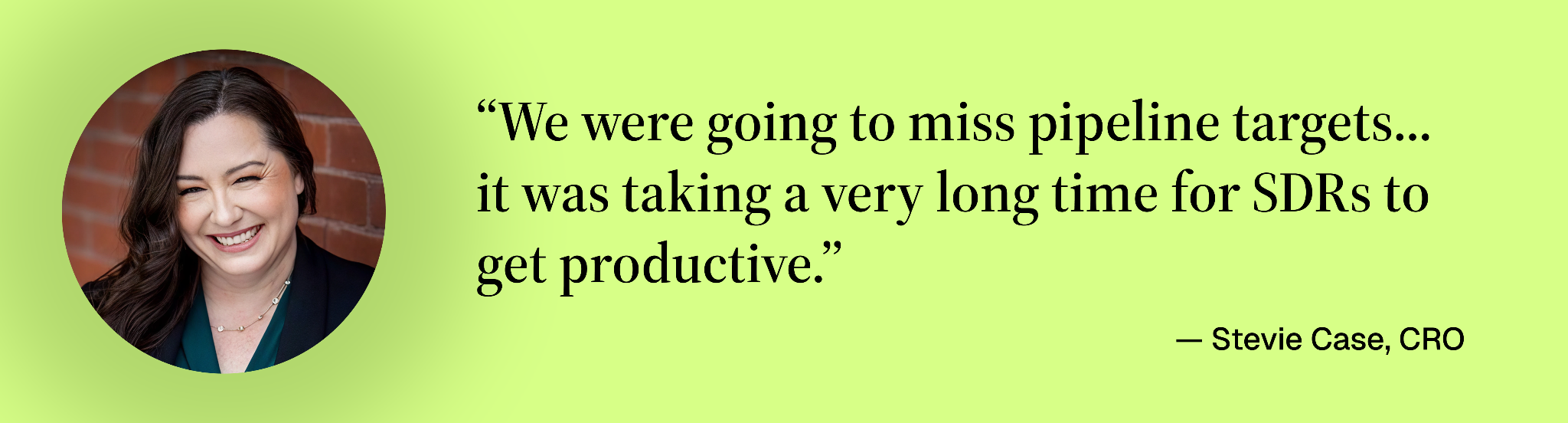
Ramp times stretched past 200 days. Performance became inconsistent. Managers were spread thin trying to support both new hires and experienced reps.
The bigger issue than speed was the downstream effect on the business.
When ramp takes that long, it delays everything:
It also makes it harder to answer a critical question:
Is this rep going to succeed here?
By the time you find out, you’ve already lost time.
At scale, the old model didn’t just slow things down.
It became a bottleneck to growth.
And the upside of fixing it was just as large.
The turning point came during annual planning.
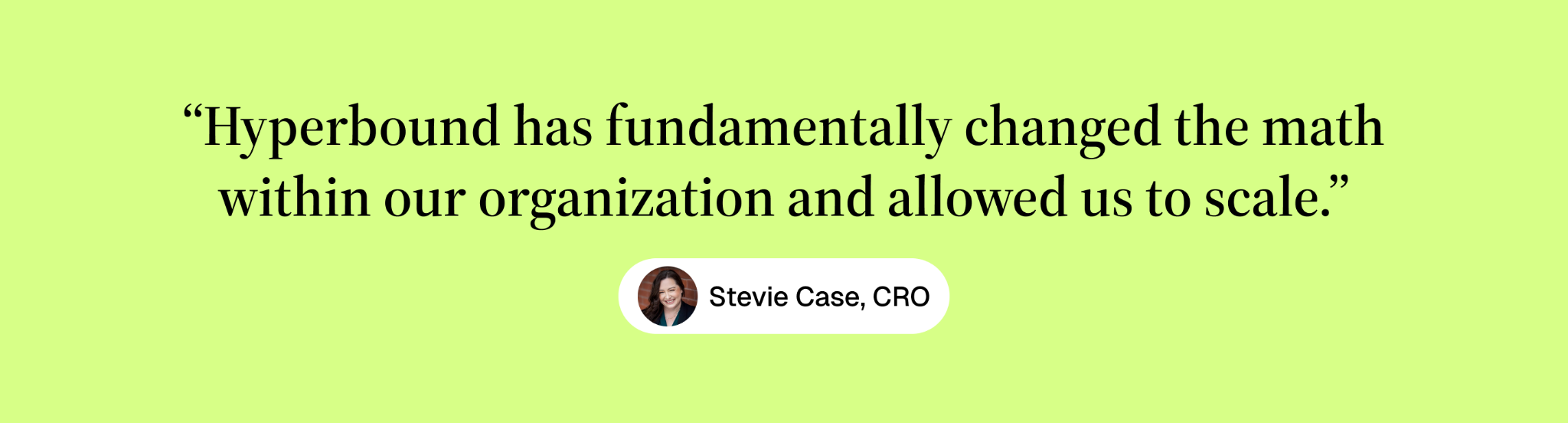
As Vanta’s leadership team worked backwards from their pipeline goals, the math became obvious. Hitting their targets meant hiring dozens of new SDRs and getting them productive quickly.
But it also meant hiring new managers at the same time.
That combination broke the old model.
You can’t rely on manager-led coaching when:
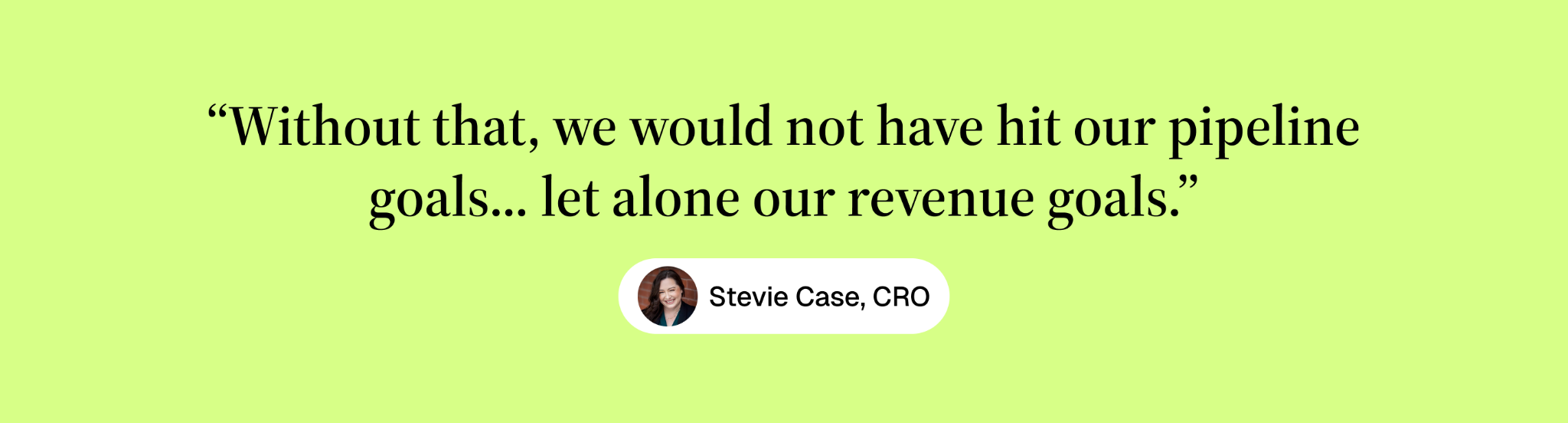
So instead of trying to scale that system, Vanta replaced it.
They moved from episodic training to continuous performance improvement.
Reps weren’t just trained during onboarding. They were improving every day - before calls, between calls, and in response to what they were actually seeing in the field.
That shift changed how improvement happened.
It made practice relevant.
Instead of generic roleplays, reps were preparing for real conversations. That made the learning stick and translated directly into live performance.
It removed managers as the bottleneck.
Reps no longer had to wait for feedback. They could practice, adjust, and improve in real time while managers focused on higher-impact coaching.
And it created consistency across a team that was scaling too quickly for human-led coaching alone.
Every rep was learning the same messaging, practicing the same scenarios, and being held to the same standard.
Just as importantly, it gave reps a way to build confidence before stepping into high-stakes conversations.
When you’re selling to technical buyers, confidence isn’t optional; it’s required. And confidence only comes from repetition.
This system gave reps that repetition before it mattered.
The impact of this shift showed up quickly, but the most important place it showed up was pipeline.
Not in theory. In actual dollars.
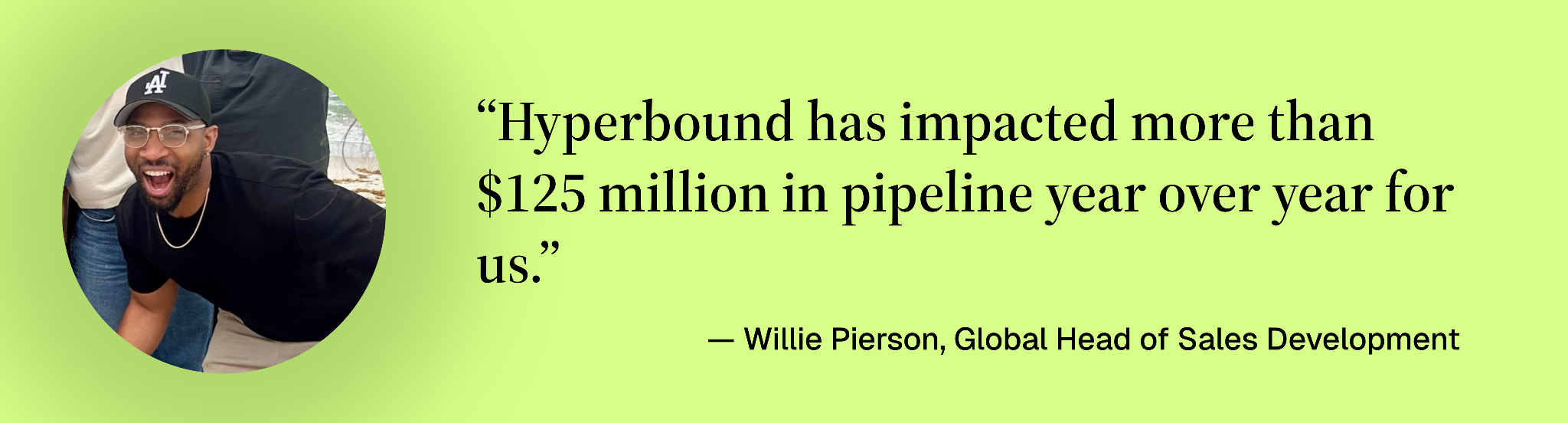
That number is the result of several compounding changes happening at once.
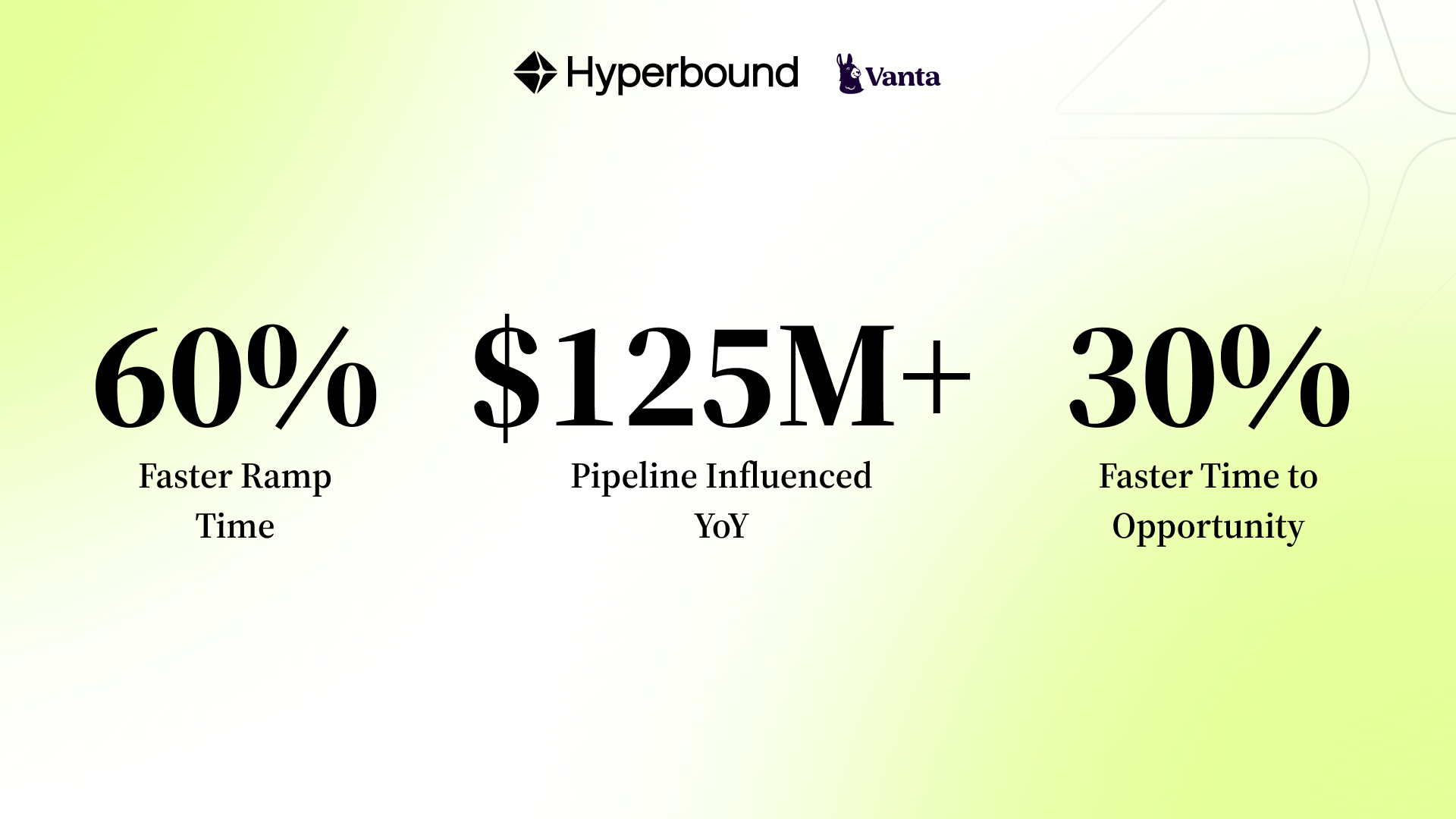
What used to take over 200 days now takes just 75.
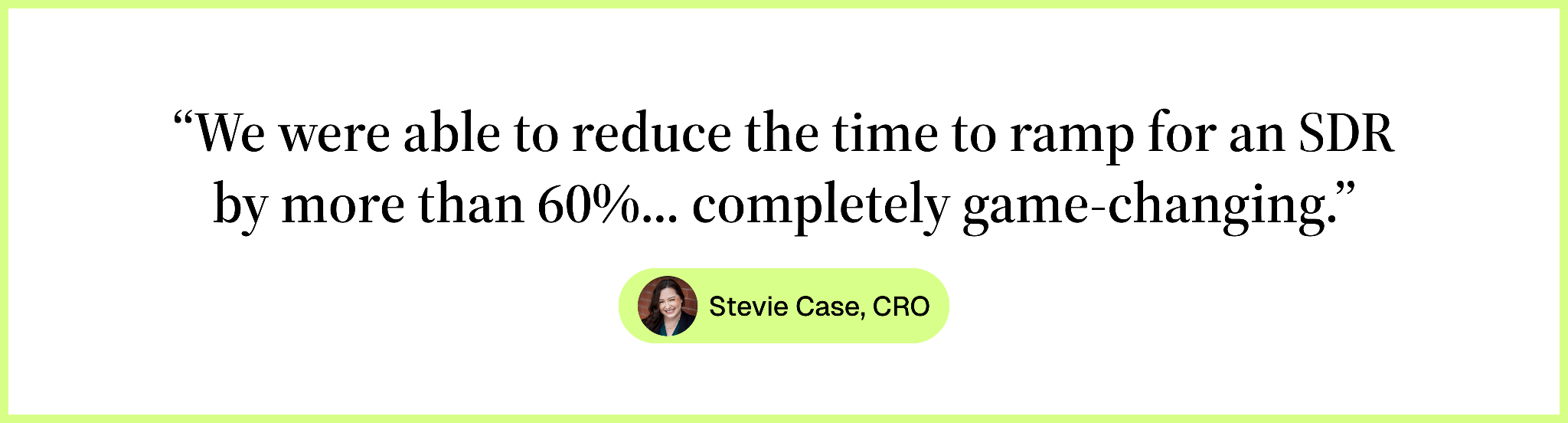
That alone changes the economics of hiring. Reps start contributing earlier, which means pipeline starts building sooner.
Time to first meeting and time to first opportunity both improved by more than 30%.
That meant reps weren’t just getting through onboarding quicker, they were actually contributing to pipeline much earlier in their tenure.
Instead of waiting months to see meaningful output, Vanta could rely on new hires to start generating meetings and opportunities within weeks. That shift compressed the gap between hiring and impact, which is critical when you’re scaling aggressively and every rep is tied to pipeline targets.
The SDR organization grew from roughly 30 reps to over 120 in a short period of time. At that scale, small improvements compound quickly.
More reps ramping faster.
More reps generating pipeline sooner.
More total pipeline created.
That’s what drives a number like $125M+.
From the SDR leadership side, the impact was just as clear:
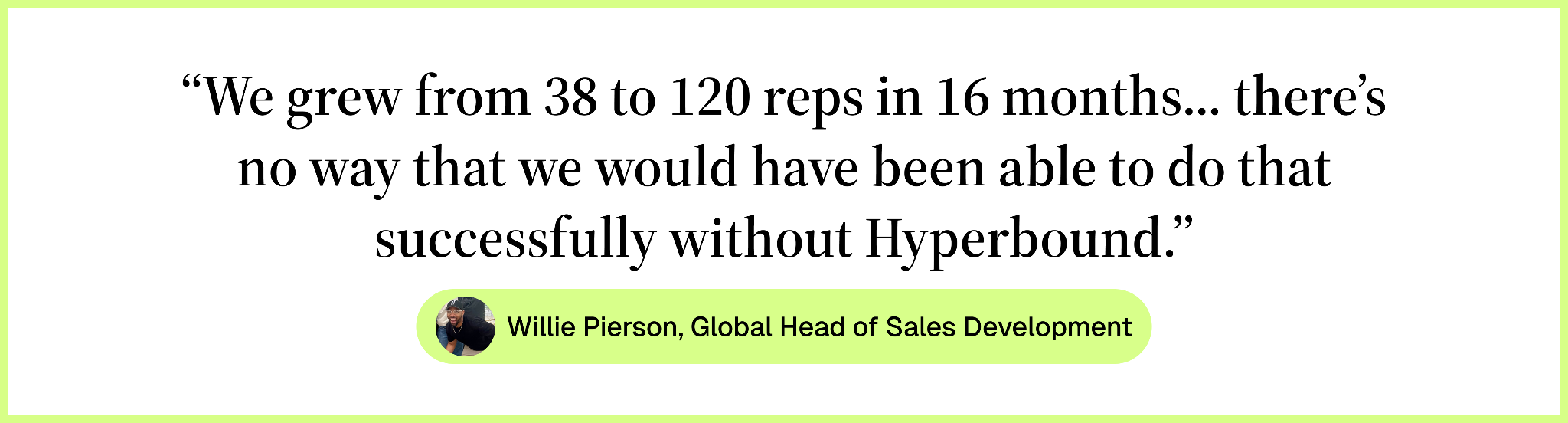
Ramp time reduced by 60%: from ~210 days to 75
Time to pipeline improved by 30%: faster meetings and opportunities
$125M+ in pipeline influenced: driven by earlier rep productivity
SDR team scaled 4×+: from ~30 to 120+ reps without performance drop-off
At Vanta, the goal wasn’t to improve training.
It was to improve outcomes.
They needed a way to ramp reps faster, maintain consistency, and generate pipeline at a pace that matched their growth.
That required more than better coaching.
It required a system that could scale with the business.









Use Cases
Legal