
Your first week as an SDR. The quota is looming, the phone feels like it weighs a thousand pounds, and the advice you've heard is to just 'smile and dial'. But the reality is a mix of overthinking, a crippling fear of rejection, and the pressure to perform without feeling adequately trained.
Sound familiar?
Here's the truth: making 100 cold calls in your first week isn't about booking 10 meetings or impressing your manager with your close rate. It's about practice – desensitizing yourself to rejection, learning what works, and building the muscle memory that transforms anxiety into confidence.
This matters because voice communication remains incredibly powerful in sales. Research shows that 57% of C-level and VP-level buyers prefer voice communication, and organizations that cold call experience 42% more growth than those that don't.
This guide provides a structured, step-by-step plan to not just make 100 calls but to practice them effectively, turning your first week from a trial by fire into a launchpad for success.
Before you pick up the phone, let's address the elephant in the room: call reluctance is normal. Every top-performing sales rep started exactly where you are now – nervous, uncertain, and worried about stumbling through conversations.
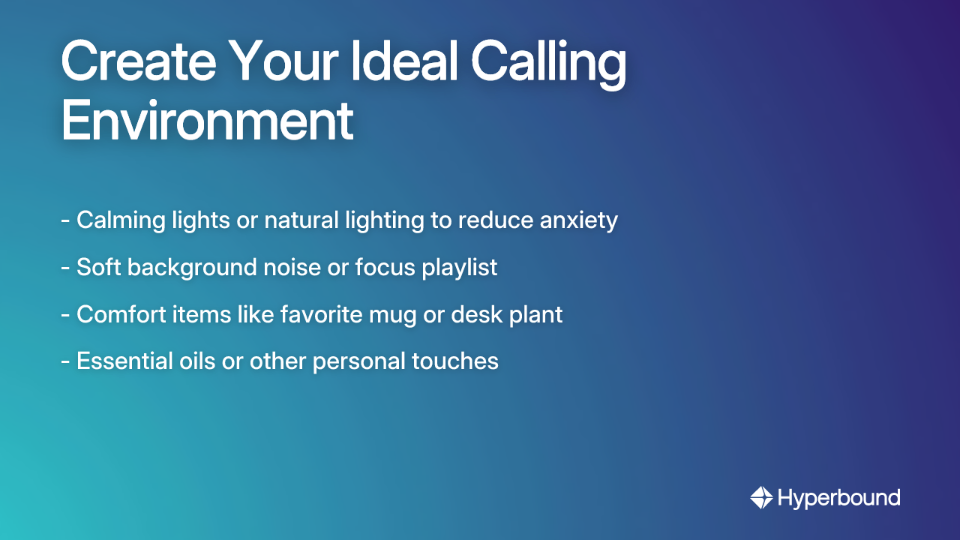
As recommended by sales professionals on Reddit, your physical environment significantly impacts your mental state:
One SDR described their setup: "I have some calming lights, soft humming white noise, some music playing on my earphones and essential oils vaporizer! That's my personal tip for ya!"
The biggest roadblock to making calls isn't a lack of knowledge – it's procrastination and overthinking. The most powerful advice from experienced SDRs is disarmingly simple:
"Spend no time worrying about how the call might go. Just press dial."
The goal is to detach from the outcome of any single call and focus on the action of dialing. Each call is a fresh opportunity, regardless of how the previous 20 went.
Rejection in sales isn't personal – it's data. Viewing rejection as a chance to move on to more promising leads is a critical mindset shift.
When you hear "no," try reframing it as:
Efficient practice is impossible without solid prep work. High volume is only valuable if the quality is there.
Start by:
A targeted list of 200 prospects is better than a generic list of 1,000. Quality matters.
Allocate 3-5 minutes per prospect to gather relevant insights.
Look for:
The goal is one personalized sentence for your opener that shows you've done your homework without spending half an hour on each prospect.
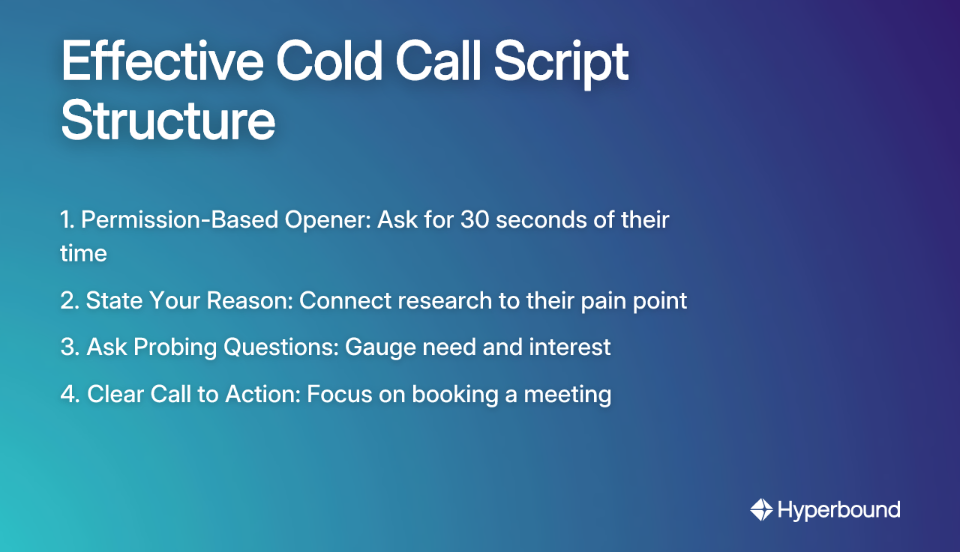
A script is a guide, not a monologue. The goal is to "not sound scripted. Sound like a normal human," as Reddit users emphasize.
Your script should follow a proven structure:
Remember: a script gives you confidence, but flexibility lets you have real conversations.
You wouldn't run a marathon without training. The same goes for cold calling. This 5-day plan is your training regimen.
Activity 1: Shadow a successful SDR
Spend time listening to an experienced colleague's calls. Pay attention to:
Activity 2: Roleplay with your manager or peers
This directly addresses the need for practice to build confidence:
Goal: Get comfortable with your script, identify awkward phrasing, and incorporate initial feedback.
Limitation: Manager and peer availability is limited, and feedback can be subjective. This brings us to the next phase...
The Challenge of Scale: How do you get in dozens of realistic reps without burning out your manager or risking live leads?
This is where modern tools like Hyperbound's AI Sales Roleplays come in. These platforms simulate real-world calls throughout the entire sales cycle, helping SDRs sharpen their skills before live calls.
Benefits for a New SDR:
Your Practice Plan:

Through your 100 practice calls, focus on mastering these critical skills:
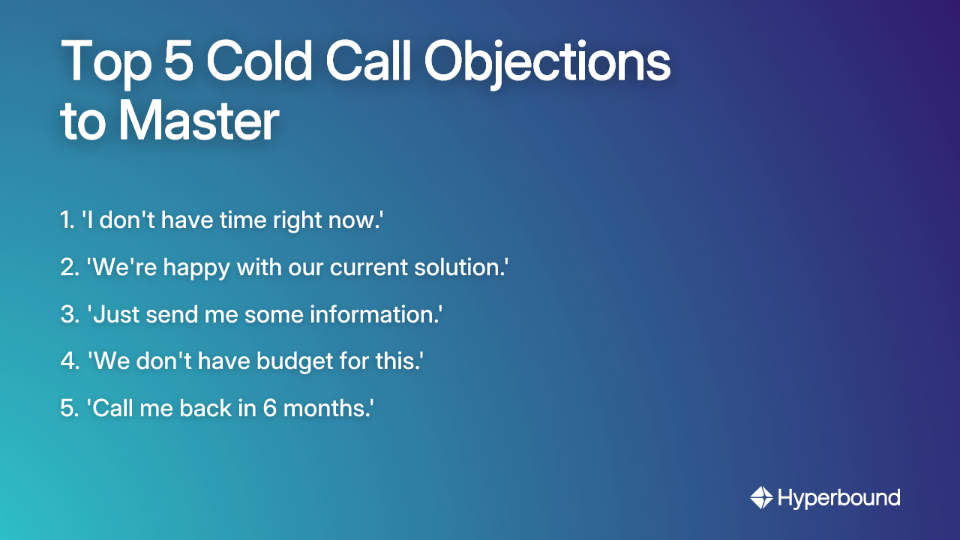
This is a critical pain point for new SDRs. The tactical advice from Reddit is gold:
"Write down the top five brush-offs and objections you get, plan out how you'd like to respond going forward, and practice it over and over again until you have it memorized."
Common objections you'll need responses for:
AI roleplays are the perfect environment to drill these responses until they become second nature, allowing you to respond confidently rather than freeze when you hear them on live calls.
Let prospects express their thoughts without interruption.
Remember that longer calls can increase success odds by 6x for each additional minute. This only happens if you're listening and engaging, not just pitching.
Practice:
To address the pain of burnout from "excessive and unstructured calling sessions," implement time blocking:
By following this structured approach – building the right mindset, preparing meticulously, and executing a deliberate practice plan – you've done more than just hit a number. You've built the foundation for success as an SDR.
Remember that confidence is a byproduct of practice. The goal was never just the number, but the competence that comes from deliberate practice.
The path forward is clear:
The first week is the hardest, but with this framework, you're not just surviving—you're setting yourself up for long-term success. The phone doesn't feel so heavy anymore, does it?
The main goal for an SDR in their first week is practice, not booking a specific number of meetings. The focus should be on desensitizing yourself to rejection, building confidence, and learning what works through high-volume, structured practice. Making 100 calls is about developing muscle memory and refining your approach, which lays the foundation for long-term success.
Cold calling remains effective because many high-level decision-makers prefer it and it drives significant business growth. Research shows that 57% of C-level and VP-level buyers prefer to be contacted by phone. Furthermore, companies that actively engage in cold calling experience 42% more growth than those that don't, making it a powerful tool for generating pipeline.
You can overcome the fear of cold calling by shifting your mindset, creating a comfortable environment, and focusing on the action of dialing rather than the outcome. Start by creating a "comfort studio environment" with calming lighting and sounds. Adopt a "just press dial" mentality to stop overthinking, and learn to view rejection as valuable data rather than a personal failure.
A good cold call script should include four key elements: a permission-based opener, a clear reason for your call, probing questions, and a specific call to action. The script should act as a flexible guide, not a rigid monologue. Start by asking for 30 seconds of their time, connect your research to a potential pain point, ask questions to understand their needs, and end with the clear goal of booking a follow-up meeting.
The best way to handle common sales objections is to anticipate them, write down your responses, and practice them repeatedly until they become second nature. Identify the top 3-5 objections you face, such as "I don't have time" or "Send me an email." Plan your responses and use roleplaying—especially with AI tools—to drill them. This builds the confidence to respond effectively on live calls instead of freezing.
New SDRs can practice effectively through a combination of shadowing experienced reps, roleplaying with managers, and using AI sales simulation tools for scalable, risk-free practice. While manager-led roleplays are valuable, they are limited. AI platforms like Hyperbound allow you to practice dozens or even hundreds of calls against realistic AI personas, get instant, objective feedback on your performance, and master your script before ever speaking to a live prospect.











Use Cases
Legal